Niall Fretwell, Project Co-ordinator, BRIDGE PEACEPLUS Project
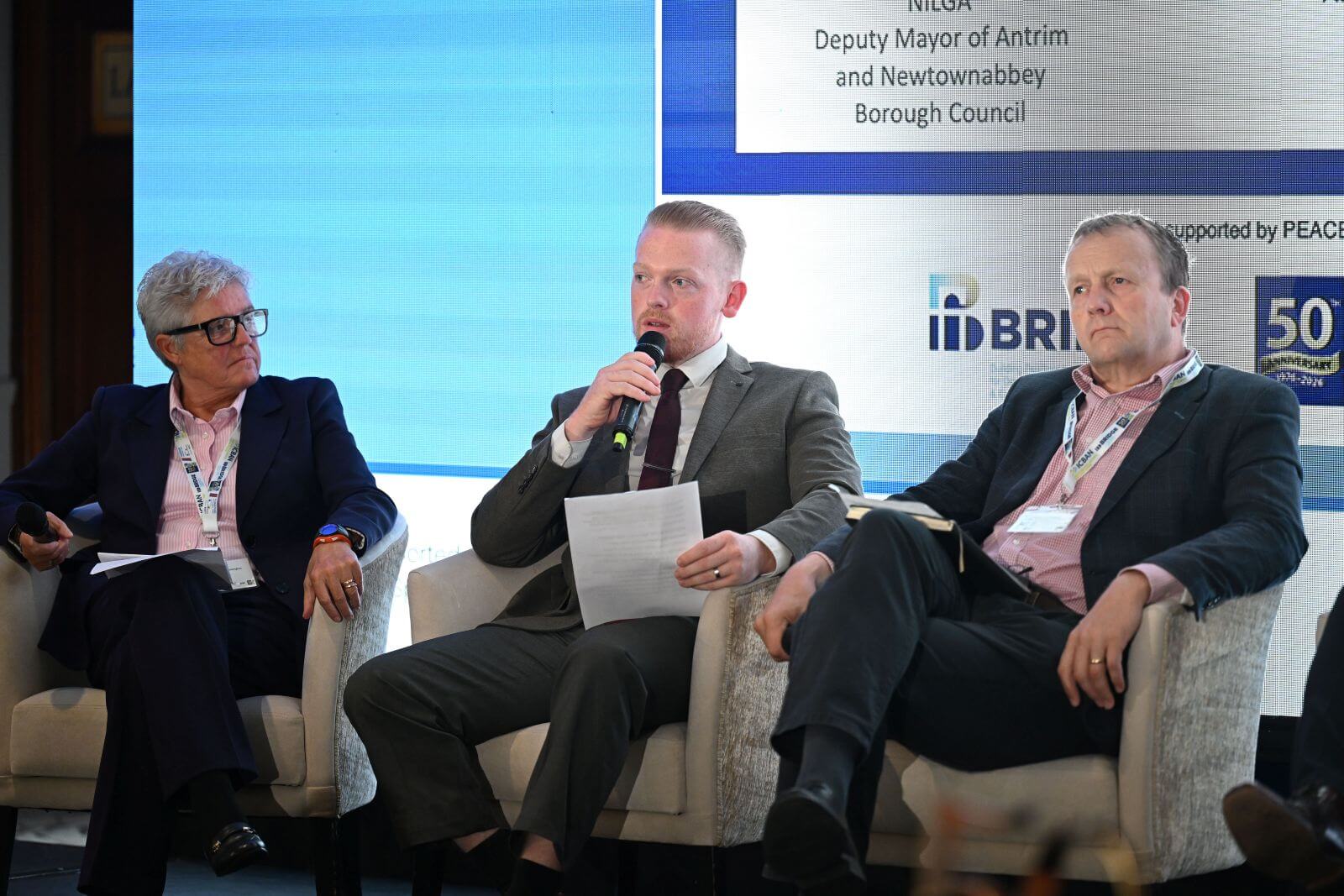
BRIDGE is a three-year, €1.34 million cross-border programme that builds leadership, governance and decision-making capacity in 12 councils across Northern Ireland and the Irish border counties. Success won’t be measured by how many people we train, but by whether the way councils work actually changes, and keeps changing, after the funding ends.
I’m Niall Fretwell, Project Co-ordinator for BRIDGE at East Border Region. I joined in April 2026. Before that, I worked in retail operations leading teams and delivering structured training and coaching. That taught me something I’ve brought straight into this role: training only counts if it changes how people work the next day.
With the project now officially launched, it’s worth setting out from the start what success will look like.
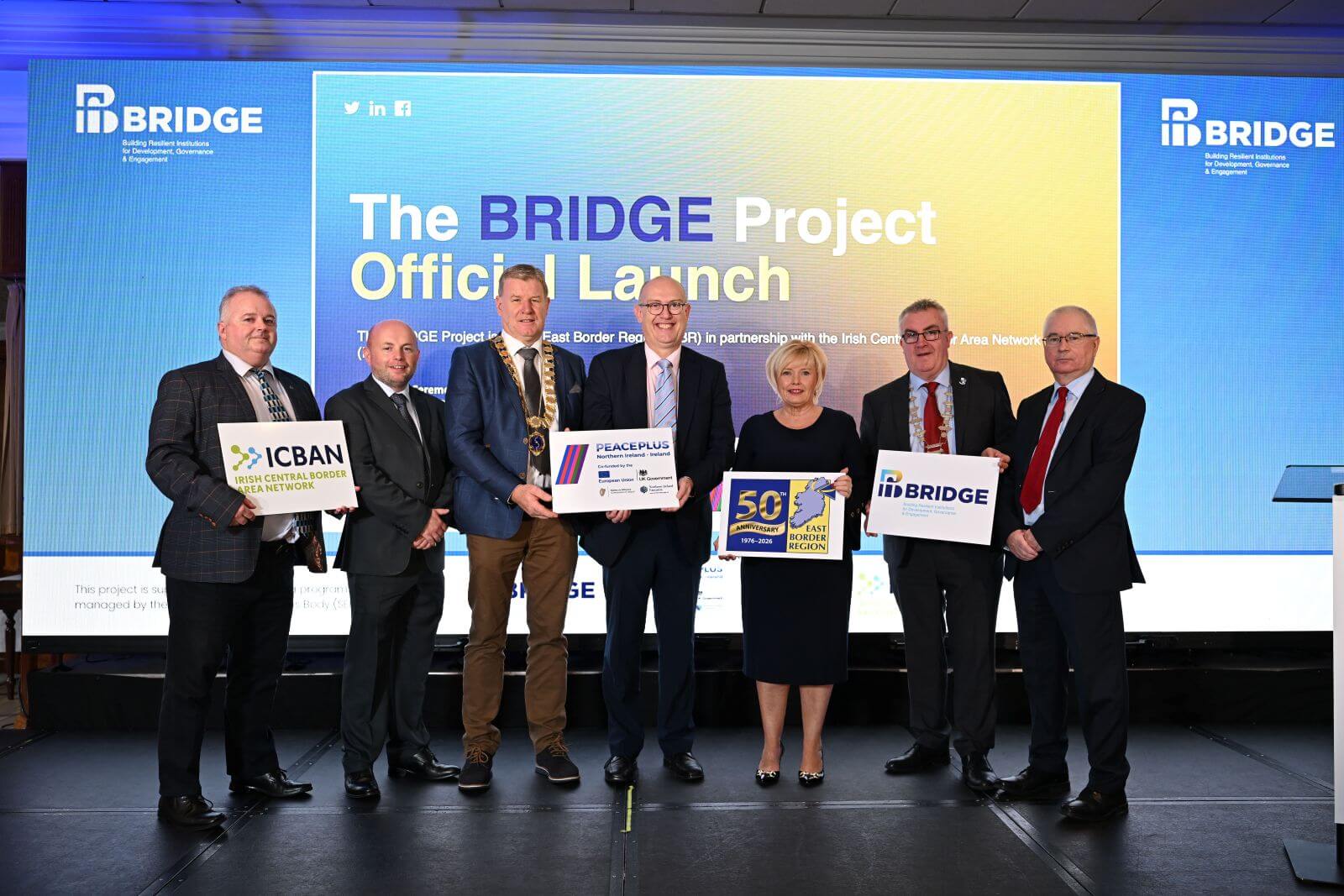
What is the BRIDGE PEACEPLUS Project?
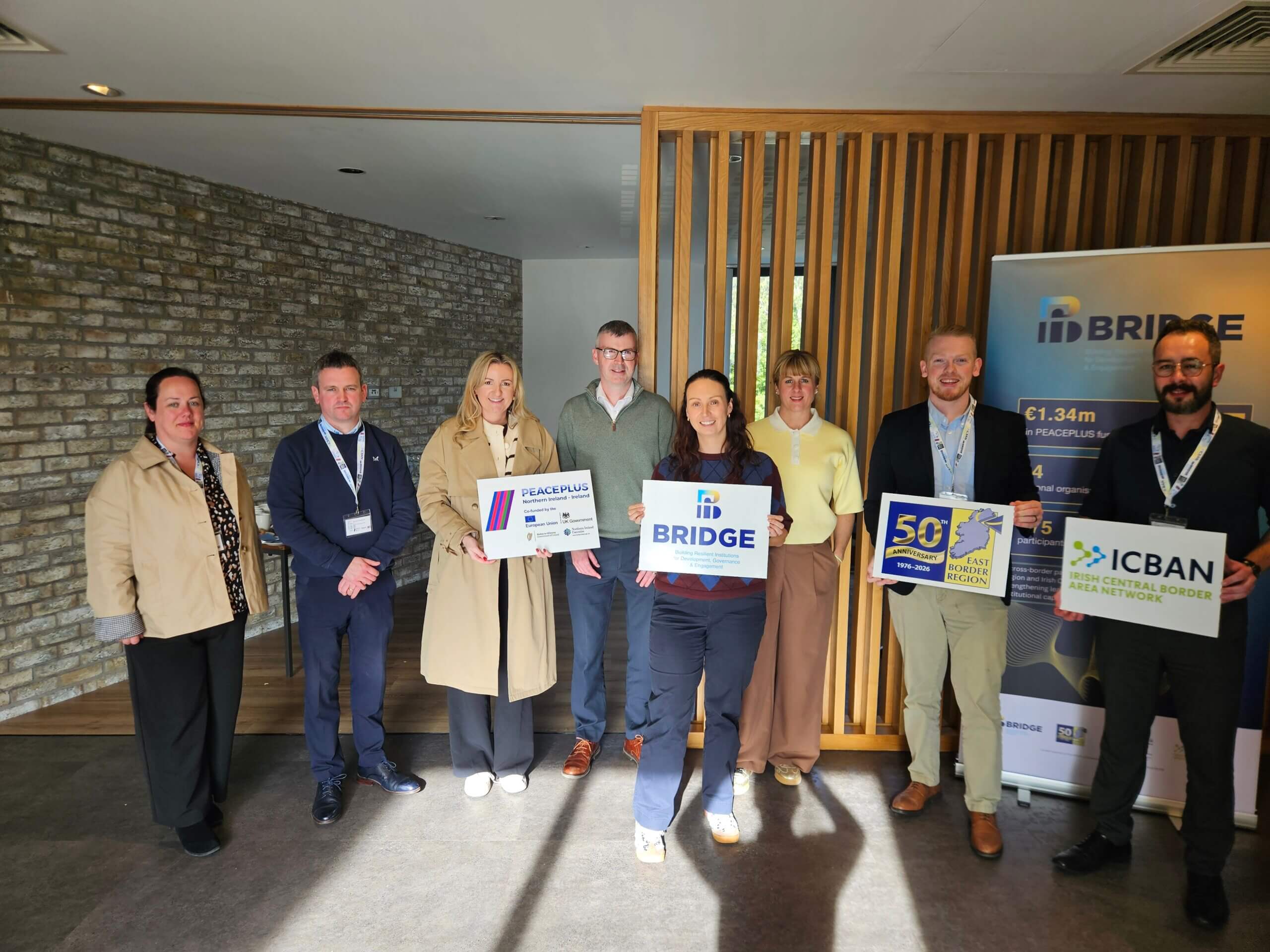
BRIDGE – Building Resilient Institutions for Development, Governance and Engagement – is led by East Border Region in partnership with the Irish Central Border Area Network (ICBAN). It was awarded €1,340,207.97 through PEACEPLUS, a programme managed by the Special EU Programmes Body (SEUPB).
Over three years, BRIDGE will work with 775 elected members and council officers across 12 local authorities: Armagh City, Banbridge and Craigavon; Ards and North Down; Cavan; Donegal; Fermanagh and Omagh; Leitrim; Louth; Meath; Mid Ulster; Monaghan; Newry, Mourne and Down; and Sligo.
The aim is simple to state and hard to achieve: stronger leadership, better governance and councils that work together across the border as a matter of course, aligned with shared priorities such as Financial Management & Budgeting for Public Bodies, Collaborative Governance & Ethical Leadership and Strategic Leadership & Decision-Making.
What does BRIDGE deliver?
BRIDGE runs two connected programme strands.
- Leadership and Skills Development – specialist training for council officers and elected members in strategic leadership and decision-making, governance and ethics, financial management, cross-border policy alignment, and marketing and public engagement.
- Collaboration and Institutional Networks – Cross-Border Working Groups in tourism, economic development and regeneration, and environment; knowledge exchange and a European best-practice symposium; and a Consensus-Based Decision-Making Framework for shared governance challenges.
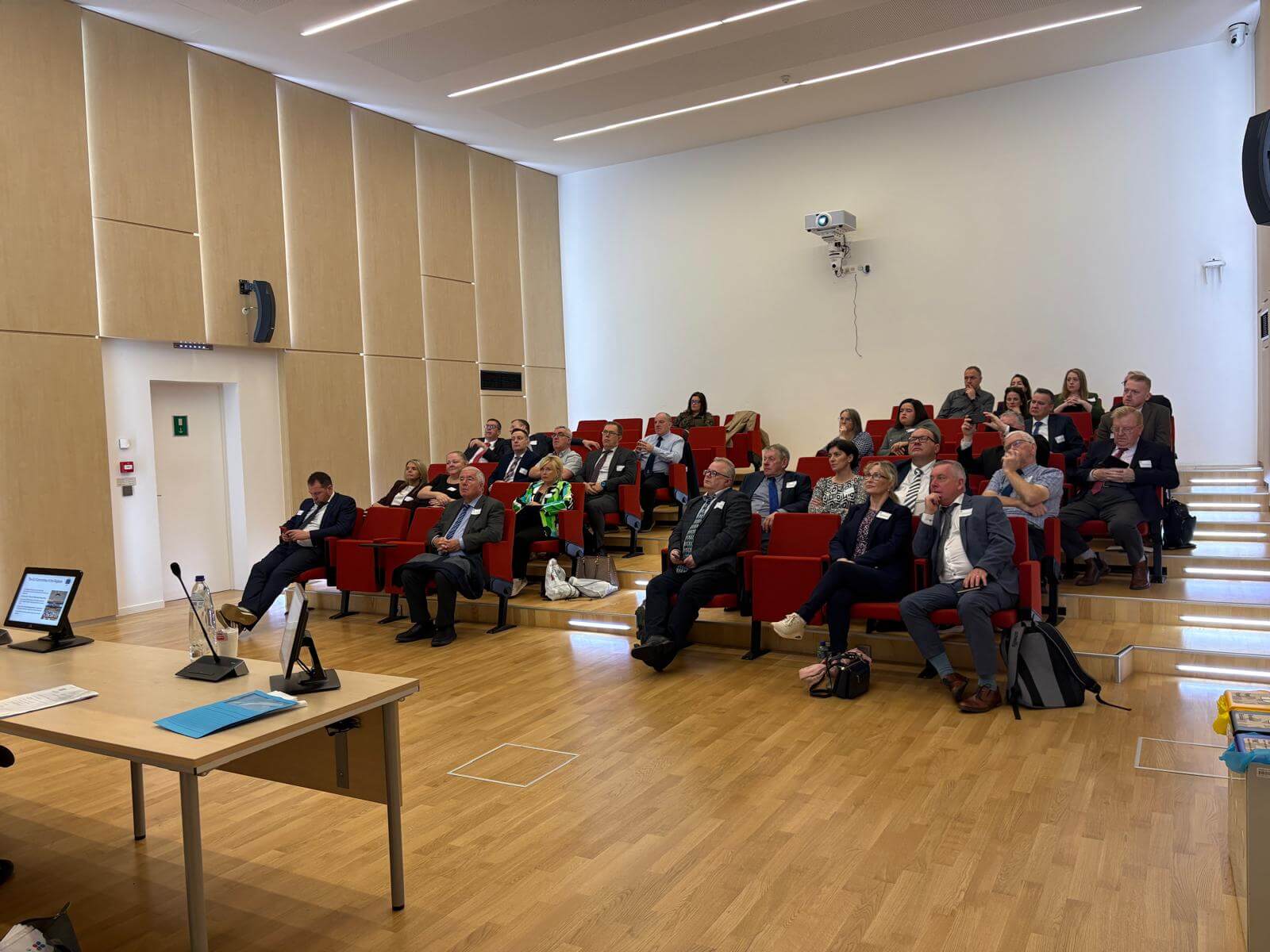
Training is already under way, with sessions such as Managing Risk in Major Projects and Financial Leadership for Externally Funded Programmes. Each is built around the real pressures councils face.
How will BRIDGE measure success?
For me, success comes down to two things. The first is real capacity built, not just attendance.
It’s easy to say we trained hundreds of people. What matters is whether their day-to-day practice changed. Does a finance officer manage risk on a funded programme differently? Does an elected member approach a cross-border decision with new confidence?
That’s why we built pre- and post-session evaluation into our monitoring and evaluation from the start, with follow-up afterwards. It lets us evidence genuine change in how people work, not a headcount.
Structures built to outlast the funding
The second test is whether what we build survives the project.
The Consensus-Based Decision-Making Framework and the Cross-Border Working Groups aren’t deliverables that disappear in 2028. They’re tools and relationships councils should own.
If, two or three years from now, the Framework is embedded in how councils make decisions, and the Working Groups are still meeting under their own steam, that’s when we’ll know BRIDGE worked.
Why council ownership matters
Both tests depend on the same thing: councils seeing BRIDGE as theirs, not something being done to or for them.
That’s why we’re involving council staff in shaping the work now, not just consulting them at the end. And we’re planning for handover from the start, rather than leaving it to the final year.
The real test
Ultimately, the best sign of success will be simple: people across the border picking up the phone to each other to solve a problem, without needing a funded project to make it happen.
That’s the legacy we’re building. If you’re an elected member or council officer in one of our 12 partner councils, now is the time to get involved:
- Browse upcoming BRIDGE training
- Join the BRIDGE mailing list
- Get in touch with the team or email info@bridgepeaceplus.com
- Follow BRIDGE on LinkedIn, Facebook and Instagram
Frequently asked questions about BRIDGE
Who can take part in BRIDGE?
BRIDGE is open to elected members and local government officers in its 12 partner councils across Northern Ireland and the Irish border counties. Over three years, the programme aims to engage 775 participants through training, Cross-Border Working Groups and knowledge exchange.
Is BRIDGE training free?
Yes. BRIDGE training is free for eligible participants from partner councils, because the programme is funded through PEACEPLUS. You can see what’s coming up and book a place on the BRIDGE events page.
Who funds and runs BRIDGE?
BRIDGE is funded through PEACEPLUS, a programme managed by the Special EU Programmes Body (SEUPB). It is led by East Border Region in partnership with the Irish Central Border Area Network (ICBAN).
What is the Consensus-Based Decision-Making Framework?
It’s a shared framework councils can use to reach agreement on joint governance challenges that cross the border. BRIDGE is developing it with council participants so it reflects how councils actually work, and so they can own and use it long after the project ends.
How long does BRIDGE run, and what happens afterwards?
BRIDGE is a three-year programme running until 2028. We’re planning for handover from the start, so the Framework and the Cross-Border Working Groups continue under councils’ own steam once the funding ends.
Niall Fretwell is Project Co-ordinator of the BRIDGE PEACEPLUS Project, managed by East Border Region. He previously held store management roles with Lidl in Great Britain and Ireland.
This project is supported by PEACEPLUS, a programme managed by the Special EU Programmes Body (SEUPB).